How much does hiring an exterior painter cost?
Averaging at £32 per hour
Updated on 1 October 2026
Table of contents
- Get the cost for outdoor painting services near you
- Exterior painting cost estimates supplemented with real Taskrabbit data
- What affects exterior painting costs?
- Unexpected or additional costs to watch for
- Estimated outdoor painting costs by project type
- Frequently asked questions about exterior painting services
Get the cost for outdoor painting services near you
Browse different painter rates in your area and select the one that fits your budget and needs.
Upgrade your home exteriorExterior painting cost estimates supplemented with real Taskrabbit data
A fresh coat of exterior paint does more than just improve your home's appearance. It helps protect your property from the elements, extends the life of exterior surfaces, and can boost kerb appeal if you're preparing to sell.
Whether you're repainting a front door, refreshing tired masonry, or giving your entire home a makeover, understanding typical costs can help you plan your budget with confidence. This guide explains average exterior painting prices across the UK, the factors that influence costs, and what to consider before hiring a painter.
Based on market research and Taskrabbit platform insights, you can generally expect to pay £32 per hour on average for outdoor painting services.
Average cost for handyman services in major UK cities
Exterior painting costs vary across the UK, largely due to regional labour rates and demand for skilled painters. The table below provides a general guide to typical hourly rates and full-project costs by location.
| City | Avg hourly rate | Avg invoice total |
|---|---|---|
| London | £45 | £210 |
| Manchester | £40 | £98 |
What affects exterior painting costs?
The cost of exterior painting depends on much more than your location. Home size, surface condition, accessibility, materials, and the type of paint you choose all influence the final price.
Property size
Larger properties naturally require more paint and labour, increasing the overall cost. Painters typically calculate costs based on the total paintable surface area, which excludes windows and other non-paintable elements.
Height also affects pricing. Single-storey properties are usually quicker and easier to paint than two- or three-storey homes, which may require additional equipment or scaffolding.
Exterior surface
Different exterior materials require different preparation methods, primers, and paints, all of which affect the overall cost.
Common exterior surfaces include;
render and masonry, which often require stabilising primers and specialist masonry paint
brick, which requires breathable masonry paint and careful preparation before painting
timber cladding and weatherboarding, which usually need sanding, priming, and multiple coats
uPVC fascias and soffits, which require specialist primers designed for plastic surfaces
pebbledash, whose textured finish often takes longer to paint than smooth masonry
Surface preparation
Preparation is one of the biggest factors affecting the cost of exterior painting. Proper preparation helps the paint adhere correctly and creates a finish that lasts longer.
Depending on the condition of your property, preparation may include;
pressure washing to remove dirt, algae, and loose material
scraping and sanding flaking paint
repairing cracks or damaged render
repointing brickwork
applying stabilising primer to porous or weathered surfaces
masking windows, doors, and surrounding areas
Although it may be tempting to reduce preparation work to save money, doing so often leads to premature paint failure and more expensive maintenance later.
Paint and materials
The type and quality of paint you choose can affect both the initial cost and the lifespan of the finished job.
Higher-quality exterior paints generally provide better coverage, improved weather resistance, and a longer-lasting finish than lower-cost alternatives. Depending on the surface being painted, your painter may recommend masonry paint, exterior wood paint, breathable brick paint, or specialist products for materials such as uPVC.
Most painters will recommend applying at least two coats to achieve a durable, even finish.
Time of year
Exterior painting is busiest during spring and summer, when dry weather provides the best conditions. Booking during quieter periods, such as early spring or early autumn, may offer greater availability and more competitive prices.
Access and scaffolding
Access requirements can have a significant impact on the overall cost of exterior painting.
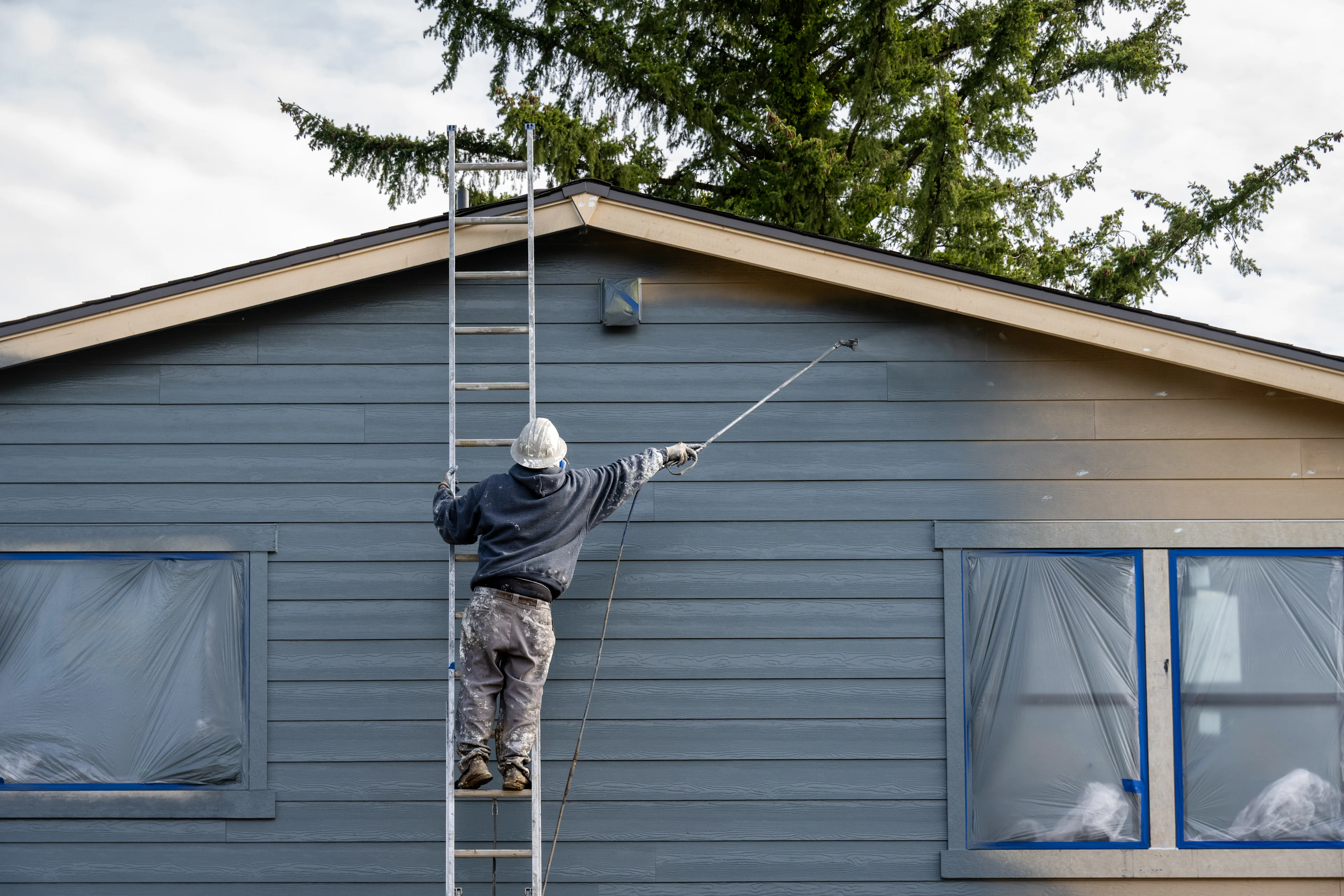
Single-storey properties can often be painted safely using ladders, while taller homes typically require scaffolding or specialist access equipment. Scaffolding alone can add £500 to £1,500 or more to a project, depending on the size of the property and how long it's needed.
Homes with sloping gardens, conservatories, or limited access may also take longer to complete, increasing labour costs.
Unexpected or additional costs to watch for
Even with a detailed quote, some additional costs can arise during an exterior painting project. Understanding these potential expenses can help you budget more accurately and avoid surprises.
Common hidden or added costs include;
scaffolding, which may be quoted separately and can add significantly to the overall cost
repairs to render or masonry if cracks, damaged render, or loose pointing are discovered during preparation
damp treatment if mould, algae, or moisture problems need to be resolved before painting
lead paint removal, particularly on older properties where specialist handling may be required
waste disposal if removing old paint, sheeting, or other debris isn't included in the quote
parking permits, which may be necessary in towns and cities where contractors can't park close to the property
weather delays, which can extend the project if conditions aren't suitable for exterior painting
Before accepting a quote, ask what's included so you understand whether any of these costs could apply to your project.
Estimated outdoor painting costs by project type
Not every exterior painting project is the same. Here's a general guide to the average cost of common exterior painting jobs in the UK.
| Painting project | Estimated cost |
|---|---|
| Garage door | £80–£200 |
| Garden fence | £200–£700 |
| Front foor and frame | £80–£250 |
| Outbuilding or garden shed | £150–£500 |
| Fascias, soffits, and bargeboards | £300–£900 |
| Full exterior of a detached house | £1,500–£5,000+ |
| Full exterior of a mid-terraced house | £500–£1,500 |
| Full exterior of a semi-detached house | £800–£2,500 |
DIY vs. hiring an exterior painter
Whether you should paint your home's exterior yourself or hire a painter depends on the size of the project, the condition of the surfaces, and how comfortable you are working at height. While DIY can save money on smaller jobs, larger projects often require specialist equipment and experience to achieve a safe, long-lasting finish.
When to DIY
Painting the outside of your home yourself can be a practical option if;
your property is single-storey with safe, easy access
the existing paintwork is in good condition and needs minimal preparation
you're painting a smaller project, such as a garden fence, shed, garage door, or front door
you already have the necessary equipment and safety gear
the weather dry is dry enough to complete both the preparation and painting
When to hire a painter
For larger or more complex projects, hiring a painter is usually the safest and most cost-effective choice. Consider hiring a painter if;
your property is two storeys or more
scaffolding or specialist access equipment is required
the exterior has cracked render, peeling paint, damp, or other surface damage
you're painting specialist surfaces such as lime render, heritage masonry, or period timber
you're looking for a high-quality finish that will last for years
you're working to a deadline, such as preparing your home for sale
Painters also have the experience to identify issues that could affect the finished result, helping to prevent costly problems later.
How to choose the right exterior painter
Choosing the right painter is just as important as comparing prices. A cheaper quote isn't always the best value if the work requires extensive repairs or needs to be redone sooner than expected.
When comparing painters, look for someone who;
has experience with exterior painting projects similar to yours
can provide examples of previous work or customer reviews
offers a detailed written quote outlining labour, materials, preparation, and any additional costs
carries public liability insurance
communicates clearly about the project timeline and what's included
How to save on outdoor painting costs
There are several ways to keep exterior painting costs under control without compromising on quality:
Getting multiple quotes to compare prices and what's included
Booking outside peak season, when painters may have greater availability
Preparing the work area yourself by moving outdoor furniture, trimming back plants, and clearing access
Combining several painting jobs, such as fences, gates, sheds, or fascias, into one project
Choosing standard paint colours, which are often more affordable than specialist or custom-mixed shades
Keeping up with regular maintenance, so small areas of peeling or flaking paint can be repaired before they become larger, more expensive jobs
While it can be tempting to choose the lowest quote, remember that thorough preparation and quality materials usually provide a longer-lasting finish and better value over time.
Frequently asked questions about exterior painting services
Most homes benefit from exterior repainting every five to ten years, although the exact timing depends on the surface material, weather exposure, and the quality of the previous paint job.
Properties in coastal locations or areas with frequent rain may need repainting sooner because moisture, salt, and UV exposure can cause exterior paint to deteriorate more quickly.
Rather than following a fixed schedule, keep an eye out for signs that your home's exterior needs attention, such as;
peeling or flaking paint
fading or discolouration
cracks in the paint finish
algae or mould growth
chalky residue on painted surfaces
Addressing these issues early can help prevent more extensive repairs and reduce the cost of future repainting.
The time required depends on the size of your property, the amount of preparation needed, and the weather. A small terraced house may take two to four days, while a larger detached property could take a week or more to complete.
In most cases, no. Exterior painting is generally considered permitted development and doesn't require planning permission. However, if your property is listed or located in a conservation area, there may be restrictions on the colours or materials you can use. If you're unsure, check with your local planning authority before starting work.
In most cases, no. If you rent your home or own a leasehold flat, responsibility for the building's exterior usually sits with the landlord, freeholder, or management company. Always check before arranging any exterior painting, as permission may be required.